
"blend planning"
900 article(s) found
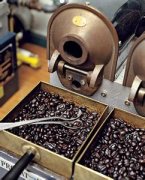
Professional knowledge of coffee bean blending
Blending of raw beans requires the use of coffee beans with their own characteristics, and avoid using coffee beans with similar flavor.

Coffee mixing ratio Introduction to Italian coffee mixing and practice
Java, Mantinen, Bogotá, Congo, Uganda Gan Colombia (Metinen), Venezuela (aged coffee), Blue Mountain, Gili Mazaro, Mocha, Guatemala, Mexico, Kenya, Brazil Santos, Haiti Alcohol Colombia (Metinen), Mocha, Blue Mountain, Guatemala, Costa Rica Neutral Brazil, Honduras, Low Real Estate Costa Rica

Coffee knowledge Coffee blending skills introduction when it became popular to mix coffee beans
Taste = Coffee Variety Sour Mocha, Kona, Mexico, Guatemala, Costa Rica SHB, Gilly Mazaro, Colombia, Delvado, Western Hemisphere washing quality New Bean bitter Java, Mantenin, Bogota, Congo, Uganda Colombia (Metning), Venezuela (aged coffee), Blue Mountains, Gillimanjaro, Mocha, dangerous Land

Coffee blending introduction: using 2 or 6 kinds of coffee beans to match? what will be the taste after blending?
Since it is a blending, it naturally refers to the blending of more than two kinds of raw beans, but a special example is that the same kind of coffee beans with different roasting degrees can be matched together, or even the new crop and aged coffee or old crop of the same kind of coffee beans can be matched together, so the type referred to in the blending is no longer a coffee variety in a narrow sense, but extended to coffee in a broad sense.

Coffee blending knowledge Coffee blending requires constant cup testing? high-quality coffee blending
Blended coffee usually does not take the 1:1 blending ratio, because this may suppress each other's unique flavor, so the blending must be primary and secondary in order to produce a better taste than a single coffee. If you want the coffee to taste complex and changeable, you can reduce the proportion of raw beans, and vice versa. Blending coffee depends on constantly trying to test the cup, so before blending

When he changed jobs in middle age, he developed coffee-making skills at the age of 40.
Zhang Rongfu changed jobs in middle age and developed coffee-making skills. (photo by Wu Jiangquan) crisis is a turning point! Zhang Rongfu, who has worked in the printing department for 13 years, was laid off. After 360 hours of professional training in coffee blending, catering and baking classes in the Gaoping Pendong Branch of the Ministry of Labor, he joined the coffee chain and became his own boss. He said that the vocational training courses of the Ministry of Labor provided him with the cornerstone of entering the coffee industry.

The Development History of costa Coffee the growth of chain coffee shops
Development History Editor in 1971, a pair of Italian brothers Sergio Costa and BrunoCosta started a coffee bean wholesale business, providing roasted coffee beans to the catering industry and Italian coffee stores. With their Italian background and Sergio's experience in blending and roasting coffee beans in Parma, Italy, the Costa brothers gradually established their unique roasting

Coffee shop business strategy, let cake control out of control of the baking cafe
Roasting cafes are popular in Kuala Lumpur, and some are even open 24 hours a day. Exquisite bread and cake are completely defenseless. In addition to bread and cake, cafes also offer staple food and a wide variety of food choices, and many people like to spend cozy weekends in baking cafes. Les Deux Garcons Les Deux Garcons bakery specializes in providing high quality methods.

Grade Planning for the handling of Salvadoran Coffee introduction to the Santa Ana volcano area
Coffee treatment, washing treatment, sun drying. Coffee grades are classified according to altitude, the highest is SHG: SHG,strictly high grown,3950 feet (about 1200 meters); HG, high grown, 2950 feet (about 899m); CS, central standard, 1960 feet (about 597m). Note: 1 feet ft
Flavor characteristics of Yega Chevy Red Cherry Coffee what is the Red Cherry Plan?
Yega Xuefei red cherry plan dry aroma: clean and delicate aroma, floral, vanilla, peach, honey, sucrose wet aroma: vanilla, peach, peach, floral, citrus sipping: very clean and delicate, obvious floral aroma, honey, long and smooth touch, vanilla, cherry acid soft, honey, advanced hazelnut, white pomelo flavor, sweet, finish honey and cherry fruit

Coffee bean matching example Coffee bean matching can be made with several kinds of beans.
Taste = Coffee Variety Sour Mocha, Kona, Mexico, Guatemala, Costa Rica SHB, Gilly Mazaro, Colombia, Delvado, Western Hemisphere washing quality New Bean bitter Java, Mantenin, Bogota, Congo, Uganda Colombia (Metning), Venezuela (aged coffee), Blue Mountains, Gillimanjaro, Mocha, dangerous Land

What is the purpose of blending coffee? what is the purpose of blending coffee?
Colombia (Metenin), Venezuela (aged coffee), Blue Mountains, Gillimanjaro, Mocha, Guatemala, Mexico, Kenya, Brazil Santos, Haiti Alcohol Colombia (Metenin), Mocha, Blue Mountains, Guatemala, Costa Rica Neutral Brazil, Galvado, low property Costa Rica Venezuela, Honduras, Cuba

It is better to mix coffee with several different beans.
Since it is a blending, it naturally refers to the blending of more than two kinds of raw beans, but a special example is that the same kind of coffee beans with different roasting degrees can be matched together, or even the new crop and aged coffee or old crop of the same kind of coffee beans can be matched together, so the type referred to in the blending is no longer a coffee variety in a narrow sense, but extended to coffee in a broad sense.

The proportion of coffee blending formula introduction Italian coffee machine
Colombia (Metenin), Venezuela (aged coffee), Blue Mountains, Gillimanjaro, Mocha, Guatemala, Mexico, Kenya, Brazil Santos, Haiti Alcohol Colombia (Metenin), Mocha, Blue Mountains, Guatemala, Costa Rica Neutral Brazil, Galvado, low property Costa Rica Venezuela, Honduras, Cuba

Boutique Coffee beans introduce blending Coffee Flavor Coffee with Coffee beans
Blending coffee is the blending of two kinds of high-quality coffee will suppress each other's unique flavor, matching should also pay attention to color, matching coffee beans also have different characteristics to reconcile an attractive taste. Although some fixed varieties of coffee can be drunk directly as individual coffee, most of the coffee has more or less defects in flavor. For example, there is no special flavor

Introduction of fine coffee, introduction of coffee, coffee beans, coffee, coffee.
Blending coffee is the blending of two kinds of high-quality coffee will suppress each other's unique flavor, matching should also pay attention to color, matching coffee beans also have different characteristics to reconcile an attractive taste. Although some fixed varieties of coffee can be drunk directly as individual coffee, most of the coffee has more or less defects in flavor. For example, there is no special flavor

How to blend coffee beans from multiple origins into a unique Italian coffee
Since it is a blend, it naturally refers to more than two kinds of original beans, but a special example is that the same coffee beans with different roasting degrees can be blended together, and even the new crop of the same coffee beans can be blended with aged coffee or old crop. Therefore, the type referred to in the blend is no longer a narrow coffee variety, but a broad extension to coffee.
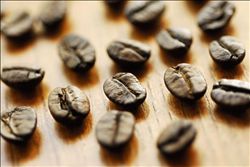
Is coffee blending required to use coffee beans with their own characteristics?
1. Blending of raw beans requires the use of coffee beans with their own characteristics, and avoid using coffee beans with similar flavor. The selection of raw beans can be considered from three aspects: the treatment method of raw beans, that is, whether raw beans are treated by washing or drying, which has a lot to do with the flavor of coffee beans. Raw bean producing area: coffee producing area is generally divided into three major regions, including Central and South America, namely Pakistan.

Is the proportion of coffee blended at 1:1 or can be adjusted?
Blended coffee usually does not take the 1:1 blending ratio, because this may suppress each other's unique flavor, so the blending must be primary and secondary in order to produce a better taste than a single coffee. If you want the coffee to taste complex and changeable, you can reduce the proportion of raw beans, and vice versa. Blending coffee depends on constantly trying to test the cup, so before blending

Can individual coffee be mixed? can you introduce the types of coffee that can be mixed?
Since it is a blending, it naturally refers to the blending of more than two kinds of raw beans, but a special example is that the same kind of coffee beans with different roasting degrees can be matched together, or even the new crop and aged coffee or old crop of the same kind of coffee beans can be matched together, so the type referred to in the blending is no longer a coffee variety in a narrow sense, but extended to coffee in a broad sense.